Sunday, April 3, 2011

Homemade "Larabars"


There is some sorta saying that necessity is the mother of...in my case...creation. We have embarked, fairly recently, on a new diet for the whole family. We are now all grain free and sugar free along with the oldies but goodies of gluten free, dairy free, soy free. We are loosely following the GAPS diet. I also have some fermentation projects coming up that brings us into the Body Ecology diet world as well, but that is all for another post. Today I just want to share with you-all the fantastic new treat we are enjoying in our house. We have been eating Larabars for quite a while now. I would pack them for any road trip. The boys love them in their lunch boxes too. I eat one on the way to the gym every day for breakfast. They are so delicious and very simple. So simple in fact, that when our military commissary ran out of them for the last three weeks (I did have a small stockpile but we went through those), I was forced to take matters, literally, in my own hands. So I made "Larabars".

I can't take all the credit. Well, I can take all the credit for OUR bars, but not the whole recipe. I took bits and pieces from here and here. I researched nuts and the digestibility, or lack thereof, of nuts. The key to nuts, is to soak them. I read many places that "soaking the nuts neutralizes phytic acid and enzyme inhibitors. Phytic acid blocks absorption of minerals such as calcium and magnesium; enzyme inhibitors make nuts hard to digest." Nourished and Nurtured

So I set off to make my own bars. I am not particularly crafty or creative, but I love food. So I just thought about what sounded good and what was plausible to make. My first bar was a peanut butter bar. That one turned out so well that I thought cinnamon apples sounded so fruity and good. The final bar was blueberry and lemon. Each one was better than the last. The blueberry one was surprisingly light and sweet. Here is what I did:

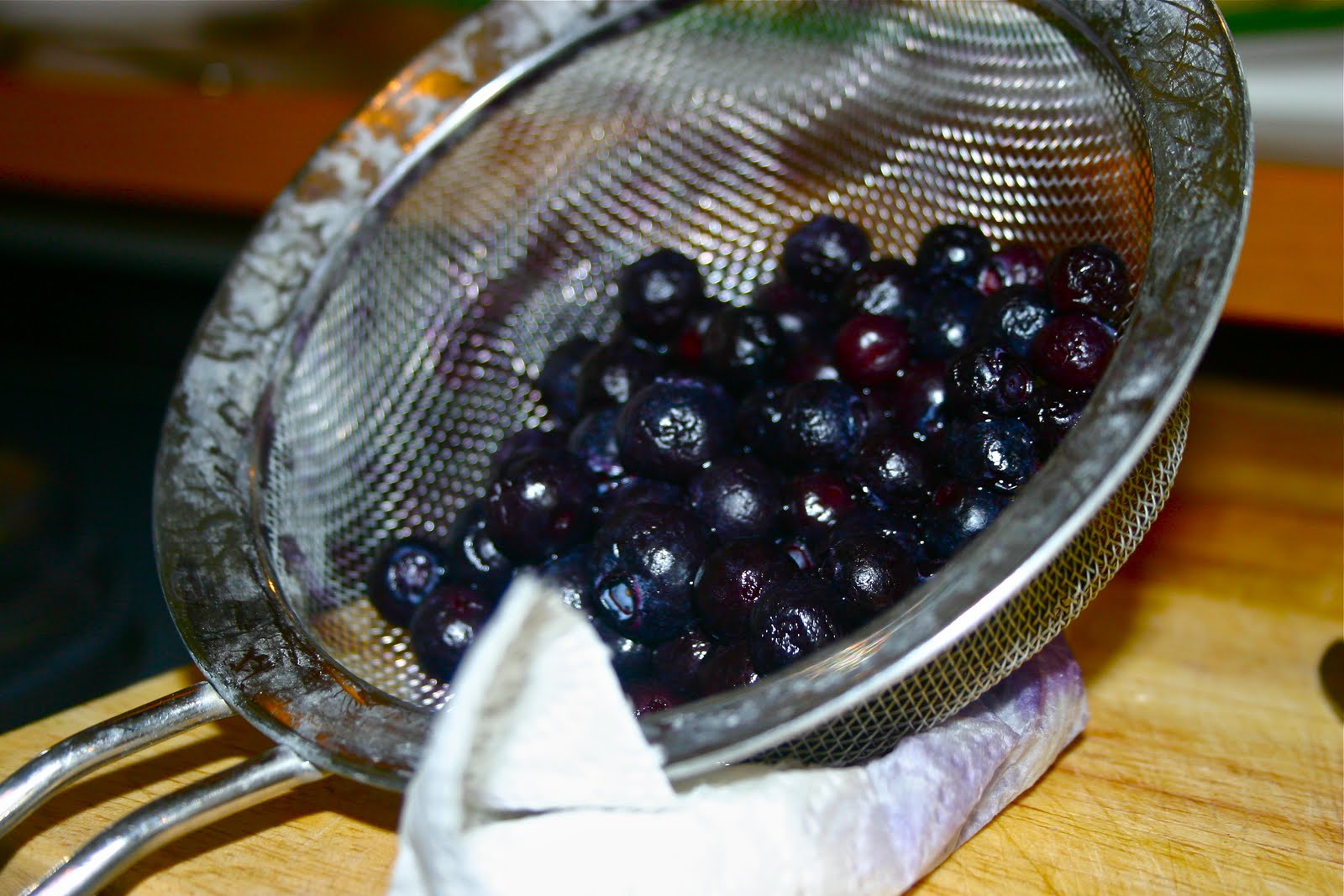
I took several cups (probably 4 cups total) of almonds and pecans and let them soak with good water and a tablespoon or so of salt. After about 24 hours I rinsed and drained the nuts. I put them on a cookie sheet in a low oven with the door slightly open for about 4 hours. You can increase or decrease the time in the oven depending on your time table I think. I then took blueberries (organic from the freezer section) and peeled, chopped apple bits, and put them on a silpat on a cookie sheet in the same temperature oven as before. I topped the apples with cinnamon. I let the fruit dry for several hours until the texture was that of dried fruit (eye it). I put all the now dried nuts into the food processor. Don't grind the nuts too much or you will have nut butter.

Peanut Butter "Larabar"

2 cups nuts (prepared as stated above)
1/2 cup dates
1 cup organic peanut butter
pinch of good sea salt
honey if needed
put it all in the food processor. It may take a bit of time to get a nice texture and consistency. Oil your hands and mold the mixture into an even, flat mound. I put it on wax paper. Cut into bars. Refrigerate.

Cinnamon Apple Bar

1 Cup nuts
1 cup dates
1 cup dried apples
pinch of sea salt
pinch of added cinnamon
honey if needed
Same process as above.

Blueberry Lemon Bar

1 cup nuts
1 cup dates
1/2 cup or more dried blueberries
1 teaspoon lemon juice
1 teaspoon alcohol free vanilla
Same process as above.


Thursday, March 17, 2011

Struggling in a new place


We have been living in Italy for over 8 months now. It has been one of the hardest things we have ever done, moving. It has taken me far longer to get adjusted and settled here than I ever thought it would. I am still experiencing firsts. I drove my daughter to school today, off base for the first time, alone. It only took me 8 months to get my driver's license and feel secure enough to drive. In the states, that would be unheard of. Here, I am surrounded by things within walking distance, and I have great friends who have been wonderful about driving.

It has taken me eight months to get settled, but it has taken Connor even longer. He does not do well with big changes. He doesn't voice his concern, but he shows it in his behavior. After Christmas, he had a pretty significant regression. He was completely pulled from his normal class, and put into a one on one learning situation. It was a short term fix, but a scary one too. I knew that he needed to either get back into the classroom, or be pulled full time and homeschool. This is his first week back, and so far so good. I am on high alert though. At any moment I know it might be the time to pull him and try something else. I have to do what is best for my child of course. Knowing what the best thing is, isn't always the easiest thing. He is happy again. That is all I can ever ask.

I have intentions of writing about living gluten free in Italy. I hope when things calm down here, I will have the chance to do that. It really is an amazing place full of extremes. The good things are amazing. The not so good things, are really not so good. It is just easy to live here gluten free. It is far easier to live here on our diet than anywhere I have been in the states. Once you know how to say gluten free in Italian, you are set! I walk into any restaurant in Italy and say "Senza Glutine" and they know what I mean. Refreshing...

Wednesday, December 22, 2010

Busy, but...

I'm sorry I have been so busy with moving and a new school and new everything, but...here are a few favorite websites to get ideas for dinner. We have gone grain free since moving to Italy and these sites have been a life saver.

Grainfreefoodie.blogspot.com

Heathhomehappy.com

www.nourishingmeals.com

www.spunkycoconut.com


Connor loves the waffles and bean cake from the Spunky Coconut. I made a coconut flour bread yesterday using a recipe from Grain Free Foodie. It was a simple recipe and it turned out great. Connor is excited to have bread for the first time in months. All four blogs have wonderful breakfast, lunch and dinner ideas and well as dessert and breads. You will thank me for hooking you up with these four blogs...you are welcome!! :)

Friday, October 15, 2010

Remembering

Moving to a new school means doing a new IEP, new programs, new everything. Connor's new school psychologist asked me to do a new GARS (Gilliam Autism Rating Scale) for him. For some reason, things like that get put aside and put off. I don't like looking at his skills and deficits on paper and numbered. It is a mental thing.

So I picked up the GARS and knew I needed to get it done for his upcoming IEP meeting. When I starting circling 0-3 for ratings of his behavior, I struggled. I didn't struggle because I don't know him well. I know Connor as well as he will let me. I know his behaviors better than anyone. I struggled because while circling 0 for so many things, I couldn't help but think how not long ago I would have circled 3. He use to make no eye contact. He use to only eat specific foods and refuse to eat what most people will usually eat. He use to rapidly flick hands at the side of his eyes for periods of time. It was hard to read those things and not be able to write next to each one, "use to do". I want the world to know how much better he is. I don't want them to forget how much they hurt him.

When Connor first regressed into autism, my husband and I use to say he wasn't that bad. We didn't know what "normal" was. We didn't know how far he needed to go. We held on to the fact that he still allowed us to hug him. Connor was non verbal. Connor was severly autistic. It is only looking back now that I can see that.

Connor is doing well now. He is high functioning. He still has obsessive compulsive, but he can function in the world. He still doesn't like singing, but he won't scream for hours if I sing.

I have to go fill out the GARS now, and hug Connor.

Sunday, September 19, 2010

Still unpacking...


While I am still unpacking and getting settled in our new home in Italy, I thought I would post a few important links and clips.


Feds settle vaccine lawsuit and then seal the results:
http://www.youtube.com/watch?v=pDQGAy3PMNo
Fantastic journalism! One of the biggest lawsuits questioning the safety of vaccines and they SEAL the results. What are they hiding?


Robert F Kennedy explains vaccines and the autism cover-up:
http://www.youtube.com/watch?v=ry7toSjjgXE
He is such a great advocate for the exposure of the hazards of vaccines and the autism/vaccine connection.


The Future of Food Video:
http://www.hulu.com/watch/67878/the-future-of-food
This is a great video talking about the genetically modified foods. Great video.


Aran's article in Finnair magazine. Love this article. I have sat at her parent's kitchen table and listened to her dad talk about mushrooms for hours. I didn't understand anything but I got a great appreciation for the complexity of mushroom hunting. The Basque Country really is one of the most beautiful places in the world.
http://rethinkquality.finnair.com/2010/09/foraging-in-the-basque-country/

"Temple Grandin" the movie, did amazingly well at the Emmy's. Here is Temple on the Red Carpet. She handles it amazingly well. LOVE HER!!
http://www.youtube.com/watch?v=98GUabVgwlY


One of my favorite blogs, The Spunky Coconut, has some great recipes. We are gluten free, dairy free, soy free, grain free, vegetarian. Her recipes are perfect for us. I would love to do more raw also. I have a food dehydrator on my "wish list". Check out these veggie cakes...
http://www.thespunkycoconut.com/2010/09/packing-healthy-school-lunch-with.html

Monday, September 6, 2010

Sorry, been gone a while


Sorry I have been gone so long. So many things have happened and there hasn't been time to get online for sometime. We started Connor on a grain free diet, he is on Dr. Amy's new compounded supplements, and oh yeah, we moved to ITALY!!
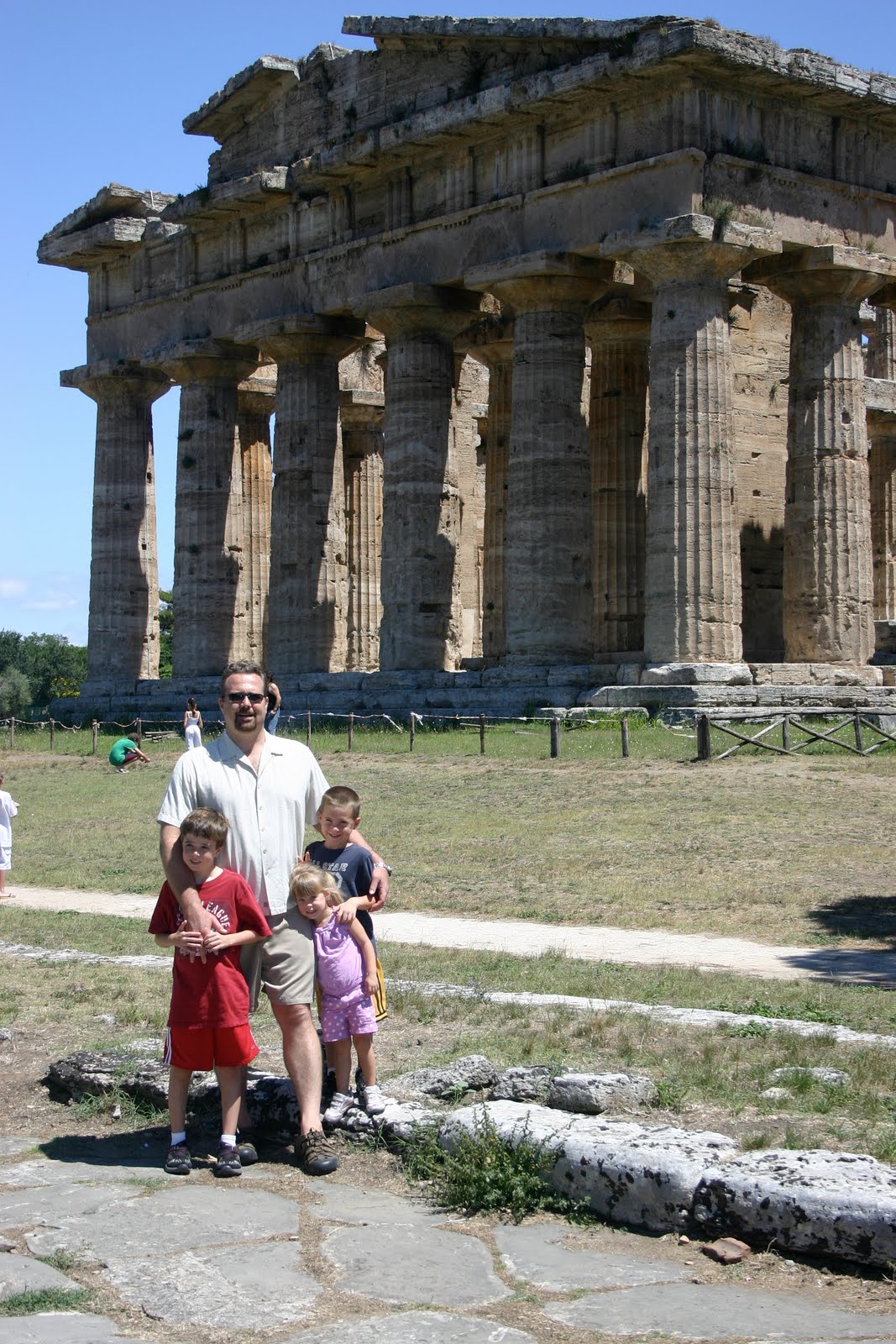
I know, ITALY!! So it has been a busy summer moving to a new country and getting settled. We still don't have our stuff, but we are at least living in our new home. I will talk more about it in a bit. Here are a few pics to show you our busy summer.

Recipes to come...


Monday, May 10, 2010

Food Archaeology: Dairy (From The Spunky Coconut)

One of my favorite food blogs is a mom in Colorado who has put the fun and taste back into allergen free eating. I have been interested in the history of food consumption and this article on her blog was so fantastic. I asked The Spunky Coconut if I could repost her article. Please enjoy!

Food Archaeology: Dairy
Article by Andrew Brozyna

The casein and lactose intolerant among us are unable to comfortably consume cows' milk. This restriction makes some feel that their cow dairy-free diet is strange. Yet, until very recent historic times it was the milk drinkers who were odd.

Prehistory
Humans are the only mammals that continue to drink milk into adult life. After weaning, all other mammals cease to produce lactase, the enzyme in the intestines which digests milk's lactose. Although lactase-deficiency was originally the natural condition for humans, many people today do maintain sufficient levels of lactase. This is believed to have been an adaptation that occurred sometime in prehistory. "...when there was a shortage of food during winter months those individuals who were able to metabolize milk would be at an advantage."(Mercer, p. 218) So, those people survived and passed on their lactose-tolerant gene(s). People from north-west Europe, north and east Africa, and Asia (excluding China, and the south-east) have traditional raised cows and now have low incidences of lactose intolerance. People originating from outside of these regions can not easily digest lactose.(Mercer) As for intolerance to casein (the protein in cow's milk) I have not read a history of this problem unfortunately.

The Roman Period
The population in ancient Britain presumable had low incidences of lactose intolerance, yet: "It can be doubted whether liquid milk formed a regular part of the diet of many in Roman Britain. ...The modern levels of liquid milk consumption owe more to deliberate state-sponsored advertising campaigns to cope with over-production than to long-established drinking habits."(p. 129) In her book Eating and Drinking in Roman Britain, Hilary Cool shows that the modern levels of milk consumption were completely out of place in ancient life. Cow's milk seems to have been consumed in small quantities, and mostly as a fermented product.

Milk quickly spoiled (especially in warm climates) and could spread tuberculosis and undulant fever. "Raw milk is not necessarily either a pleasant or safe drink in societies without refrigeration. It is better to convert it to butter or cheese to ensure long-term storage. In both cases there is an initial ripening to allow bacteria to sour the milk." (Cool, p. 94) Cheese and butter have been fermented, which eases digestion. The bacteria in well-aged cheese completely digest the milk's lactose. In addition to their love of cheese, the Romans ate another fermented milk product. The Roman culinary writer, Apicius, wrote of melca, a curdled milk perhaps similar to yogurt. The refrigeration typical in our modern society easily preserves milk. However, I question the wisdom of breaking from the natural historic practice of limited milk consumption. Certainly, no Roman citizen drank the US Government's suggested 3 cups of cows' milk every day. And according to the writings of Roman authors, he did not want to.

Hilary Cook has an interesting indirect way of judging the level of milk consumption in Roman Britain. The author compared incidences of tuberculosis among skeletal remains of the Roman period and the 1600s. "Tuberculosis is a disease that is spread from cattle to humans largely by the drinking of infected milk. It is noticeable that in Britain it was a common disease by the 17th century, corresponding with the post-medieval rise of dairy herds... The disease causes changes in the bones, but these are only rarely seen in Roman skeletons." (Cook, p94)

Roman Discussion of Sheep and Goat's Milk
While the Romans did enjoy cow's milk cheese, they held sheep and goat's milk in much higher regard. Goats give more milk (a yield 5 times in proportion to body weight than a cow), and they do not need to be continuously with-calf to maintain production. In contrast to cows' milk, sheep and goats' milk are easily digested by humans. It contains much lower levels of casein when compared to cow's milk. In her book, Food in Roman Britain, Joan Alcock comments on the opinon of the 1st century AD Roman writer, Pliny: "He also praised goat's milk for being the sweetest form of milk and more suited to the stomach, which may imply the Romans had some knowledge of bovine lactic intolerance." (p. 57) She later adds, "Both sheep's and goat's milk have a greater concentration of short-chain fatty acids in their fat content, and cheese made from their milk is easier to digest because of it's smaller milk particles." (Alcock, p. 59)

In the 1st century BC the Roman author Varo published an agricultural book. Varo's De Re Rustica (On Agriculture) states, "Of all the liquids which we take for sustenance, milk is the most nourishing—first sheep's milk, and next goat's milk." While he does not encourage the drinking of cows' milk, he does say it makes a nutritious cheese. Yet, even here he comments on the digestive problems that could follow: "Of the cheeses which are made from this milk, those made of cow's milk have the most nutriment, but when eaten are discharged with most difficulty..." He goes on to say sheep and goat cheese are easily digested. (De Re Rustica 11, xi)

The author Virgil complements the goat's "abundant and nutritious yield of milk." (Alcock, p 57) Columella, wrote an influential agricultural manual in the 1st century AD. It shared the same title as Varo's book. In his De Re Rustica Columella "had much to say on plough oxen, the breeding of cattle, and the production of sheep's milk cheese, but he made no mention of fresh cows' milk."(Mercer, p. 219) Columella's omission makes sense if cow's milk did not feature highly in the Roman diet.

Celts, Germans, and Dairy
The Iron Age European people living outside the borders of the Roman empire did not keep written records. The Romans made some mention of "barbarian" agriculture, and archaeology can tell us something of their milk consumption. Pliny wrote that the butter most prized by the barbarians was made from sheep's milk, rather than cow's. Columella said many barbarian tribes in Europe kept no cow herds, but drank sheep's milk instead. In his Natural History, Pliny wrote that the Gauls (Celtic people of modern-day France) produced cheese (probably cow), which the Romans liked to import. He was especially keen on Gaulish goat cheese.

Britain was abundant with cattle, but it seems they were not raised primarily as dairy animals. Iron Age and Romano-British cows' main value was in their meat, hides, and traction (pulling carts, plows, etc.). The intensive effort required to keep these ancient breeds as dairy cattle would have been prohibitive. Compared to today's "improved" dairy cows, Iron Age cattle were smaller and gave milk for only a short time after giving birth. Milk cows need to drink a tremendous amount of water, limiting where they could be raised. While it seems some settlements in Iron Age Britain were indeed raising cows for milk, the evidence for this practice is not widespread. Cattle raising in Gaul seems to have been similar. Roman writer Tacitus and Caesar say the ancient Germans were great cattle herders, keeping them for milk, cheese, and meat. (Green)

The Roman writer Strabo says the Gauls kept enormous flocks of sheep. Sheep were also very widespread in Iron Age Britain. Most sheep skeletal remains are that of older adults, indicating that they were not raised primarily raised for their meat, but were instead valued for their wool production. In the spring they offered the side benefit of milk. Sheep aren't the best milk producers. Again, the skeletal remains show that newborn sheep were not being slaughtered, meaning most of the ewe's milk went to their own young. If newborn lambs did not survive, then the ewe's milk could be used for people. (Green)

Goats were not as common as sheep in the Iron Age Britain. Goats aren't comfortable in cold damp climates, while thriving in the warmer drier Mediterranean. Each Celtic farm probably kept a few goats to eat weeds and provide milk. There numbers increased with the coming of the Romans. In Anglo-Saxon period Britain it was acknowledged that goats gave more milk, and that it was thought to cure illnesses. Through Saxon times cows became more and more popular as dairy animals, making goat's milk less popular by the Medieval period. The Saxons did have dairy cow farms. The cow's milk appear to have been preferred more for cheese and butter making, rather than drinking. (Hagen, p102)

CONCLUSION
I would love to comment on the dairy practices in ancient North Africa and MiddleEast, but at this point I have only studied Europe. (I have read that the "milk" in the Bible's description of "the land of milk and honey" most likely refers to the milk of sheep and goats, not cows). Ancient Europeans did milk cows, but it seems liquid milk was consumed in very limited amounts and only by people on the farm. Cheese and butter—both fermented food products— were the main use for milk. While cow milk was certainly used, it was the more easily digested goat milk that was favored by the Romans and Celts. By the end of the Dark Ages dairy from cows was well on its way to becoming the most popular milk.

References
1. Alcock, Joan P. Food in Roman Britain
2. Cool, H.E.M. Eating and Drinking in Roman Britain.
3. Green, Miranda. Animals in Celtic Life and Myth.
4. Hagen, Ann. Anglo-Saxon Food & Drink.
5. Mercer, Roger. Farming Practice in British Prehistory. Edinburgh University Press.

Saturday, May 1, 2010

Some of my favorite things...


Rain drops on roses and whiskers on kittens, bright copper kettles and warm woolen mittens...

Sorry folks, but I do like me a good Julie Andrews song.


People ask me all the time how I live on a gluten free, dairy free, soy free diet, and how I get my children to eat that way. They always follow it up with, "I could NEVER give up gluten or dairy 100%". I say in response, "Tell me what you can't live without and I will give you the gluten free, dairy free version". Nine years ago, when we started on this journey, the choices were no where near this fantastic or readily available. I can get a box of "Betty Crocker" brownie mix at my local grocery store that is gluten free, and dairy free and very yummy. I don't usually buy those type of things, but it is an example of the market and how it has changed. Bread is generally the first complaint from people wanting to switch over to a gluten free diet. Gluten free bread is dense and heavy and needs to be toasted to eat. But I have to tell you, there are several new items that will make you forget about your old food. Here is one of my favorite new brands.


Bread...normal bread...
I never thought I would have soft, light, non toasted bread again in my life time. I was wrong. Along came Udi's...

www.udisglutenfree.com


Ingredients:
Filtered Water, Tapioca Starch, Brown Rice Flour, Potato Starch, Canola Oil or Sunflower Oil, Egg Whites, Tapioca Maltodextrin, Evaporated Cane Juice, Tapioca Syrup, Yeast, Xanthan Gum, Salt, Baking Powder (Sodium Bicarbonate, Cornstarch, Calcium Sulfate, Monocalcium Phosphate), Cultured Brown Rice Flour, Cultured Dextrose, Enzymes, Ascorbic Acid (Contains Cellulose and Cornstarch). Contains: Eggs

Udi's also has a pizza crust that I am anxious to try and muffins and bagels. Please let me know if you try any of these, I would love to know what you think.


I buy my Udi's bread by the case and save quite a bit of money. I freeze most of them when we get them home. We eat a lot of bread and a case lasts about a month.

Tuesday, March 2, 2010

Holy Cheese, Batman!


Sorry for the "cheesy" title but I am too excited about this new find. What rock have I been living under to not have seen this until now? A cheese that those of us living with serious food issues can eat!! The company that has invented this cheesy concoction of taste is Daiya. Even "Amy's", my favorite frozen food company, has joined forces with this new magic cheese to create a gluten free, casien free, soy free mac and "cheese". FUN!! I can't wait to try the cheese. I have heard good things so far. The best thing is that the company says that the cheese really does melt. Pizza anyone?

I will let you know what I think of the taste. If anyone out there has tasted it yet, let me know. I am so excited to know!!


What is Daiya?
Where can I buy Daiya?
What varieties are available?
What is Daiya made from?
Nutritional info
Cooking suggestions


What is Daiya?
Daiya is a revolutionary new dairy-free vegan cheese that tastes, shreds, melts and stretches like dairy based cheese. Daiya is not made with casein, the protein found in dairy products or soy, common to many other non-dairy cheese alternatives. In fact, Daiya does not contain any common allergens, animal products or cholesterol. Daiya is made with nutritious planted-based ingredients and is:

33% less fat than dairy-based cheese with equivalent attributes
Cholesterol free
Trans Fat free
Dairy free
Free of all animal products (Vegan)
Free of common allergens including:
Soy, Casein, Lactose, Gluten, Egg, Wheat, Barley, Corn, Whey, Rice, and Nuts
Free of Artificial Ingredients
Free of Preservatives
Free of Hormones & Antibiotics
An excellent source of a naturally occurring vegan vitamin B-12 as well as an excellent source of B vitamins in general
Where can I buy Daiya?
Daiya is currently available for foodservice purchases but we are working on a retail launch strategy. If you'd like to be informed when a retail product is available in your area, please fill out our contact form if you haven't already. Daiya is available at some restaurants, deli and prepared foods markets and online. For more information, please see our Where to Enjoy Daiya page.

What varieties of Daiya are available?
For foodservice, Daiya is currently available in Italian Blend, a cheese perfect for pizza, nachos, lasagna and the like, and Cheddar Style, a cheddar like cheese perfect for grilled cheese sandwiches, mexican food and the like. We sometimes like to blend the two and for any of you that had a chance to sample the pizzas we made at the Natural Products Expo West show in March of 2009, we used 75% Italian Blend and 25% Cheddar style which was a huge hit. Our products are available in shred and block formats.

What is Daiya made from?
Daiya is made entirely from plant-based ingredients. The full list of ingredients are as follows:

Purified water, tapioca and/or arrowroot flours, non-GMO expeller pressed canola and/or non-GMO expeller pressed safflower oil, coconut oil, pea protein, salt, inactive yeast, vegetable glycerin, natural flavors (derived from plants), xanthan gum, sunflower lecithin, vegan enzymes (no animal rennet or animal enzymes), vegan bacterial cultures, citric acid (for flavor), annatto.


Nutritional Facts, Daiya Italian Blend
Vegan Cheese Alternative
Nutritional Facts, Daiya Cheddar Style
Vegan Cheese Alternative
Cooking with Daiya
You can use Daiya in the same way you would use regular cheese.

Pizza Volumes:
It is important to use the optimum amounts of Daiya on pizza for best performance. Below are optimum recommendations resulting from performance tests in mass market pizza franchises throughout North America.
10 inch=110 grams (4oz); 12 inch=160 grams (5.5 oz); 14 inch=220 grams (8 oz); 16 inch=280 grams (10 oz); 18 inch=358 grams (12.5 oz)

Baking with Daiya:
Use Daiya as you would regular cheese. For best results (as a topping such as the top layer of a lasagna) add Daiya in the last 5 - 10 minutes (depending on temperature) when baking. This will yield smooth melting properties without excessive browning.
Tip: Try adding Daiya at the very end after baking is finished, by sprinkling a shredded layer on top of oven-hot food and covering for a few minutes. This preserves the most nutrients and maintains optimum resilience.

Microwave:
Daiya works great in the microwave in tortillas, burritos and whatever you normally would cook with cheese in the microwave. Be careful not to overcook Daiya as like dairy based cheese, it will become tough.

Storage:
Always keep refrigerated.

Freezing Daiya:
You can freeze Daiya and use it as you normally would after thawing. Like most food products, do not freeze, thaw and re-freeze.

Top

Copyright © 2010 Daiya Foods Inc. All rights reserved.

Thursday, February 18, 2010

Dr. Amy Yasko Conference in Boston

Yasko Protocol Conference
Tuesday, January 19, 2010 4:17:33 PM EST

PATHWAYS TO RECOVERY: The Yasko Protocol Conference

When: July 30th, July 31st & Aug 1st, 2010

Where: Boston Hilton Logan Airport

Cost:

Pre-Registration (until Feb 28th): $195 plus receive 50 Conference Points to be used on HolisticHeal.com
Registration (after Feb 28th): $225 plus receive 25 Conference Points
Day of Event: $225
To Register: Visit HolisticHeal.com/yasko-protocol-conference.html

To Make Reservations: Contact the Hilton at 1-800-445-8667, mention the "Holistic Health Group Rate" to receive a discount off of the room.

If you have any questions, please call the office at 1-207-824-8501.

Thank you, we look forward to seeing everyone there!

Thursday, February 11, 2010

Temple Grandin


I have been raving about the HBO movie Temple Grandin to anyone who gets close to me on the street. I am practically accosting people. I just can't rave enough about this movie and the incredible job Claire Danes did in her depiction of Temple Grandin. I have been fortunate to have met Temple and listen to her speak. She was very memorable and inspirational. This movie was so motivating and inspiring and yet agonizing for me to watch. Claire Daines did such an incredible job that you truly forget she is just an actress and not Temple herself. If you are interested, Temple Grandin is also featured in a BBC documentary and has written numerous books on her life with autism and her passion for the humane treatment of cattle. She is a pioneer in so many things, and yet the doctors told her mother to institutionalize her as a child. Not only did her mother refuse to send her away, but she refused to believe that she somehow caused Temple's autism from lack of love. "The Refrigerator Mother" was an absurd and brutal theory in the 1940s-1960s that blamed mothers for causing their child's autism by being distant and unloving. Thankfully, It was the work of scientist and father of an autistic child (the inspiration for the character in the movie "Rain Man") Dr Bernard Rimland that changed the thinking of the world at large and opened the door to the hope and belief that autism is biomedical and treatable.

The Crockpot


I am not the first one to use the crock-pot. All of my friends and family have been berating me for years to use the crock-pot, but it seemed like a bigger inconvenience than just cooking. I thought that it was bad enough to have to make the meal, but thinking about it in the morning and doing prep and making sure I had groceries hours ahead of time seemed like a huge deal. Then I made my first crock-pot meal. My mom asked me to put the ingredients in her crock-pot while we were visiting one day, and then a few hours later, we had a tasty meal. Easy peasy. The real thing that hooked me was that the kids loved it. I hate cooking, but I hate cooking and having no one like the meal even more. I love how I put some raw meat and some veggies and some whatnots in the crock-pot and voila, a meal is ready at dinnertime. I love the smell the house gets during the day. So now I am preaching the ways of the crock-pot. Hallelujah!

It is easy to make meals that are gluten free, dairy free in the crock-pot also. Eating food like stews and soups are easier on your digestive system too. There are so many great crock-pot cookbooks and websites. Once you get the hang of it though, you just need to use your imagination and anything is possible. I am going to list some of our favorites for those who might be interested. I don't like when people tell me to try a website or cookbook and don't give me their favorites for me to get started.

Another tip we like in our house is to include a separate starch on occasion. I like biscuits or tortillas (see recipe in earlier post) or mashed potatoes or rice.

I am still a beginner and my imagination is not fantastic, so my meals are very basic. Once you get the hang of it, you will get ideas from everywhere. It is a fun thing to exchange ideas with your neighbors or friends. I also like playing with a dessert in the crock-pot. Bread pudding is on the list for this week.

Easiest crock-pot meals: spaghetti sauce and meat of choice on low for the day. It seems silly to do this, but you put the raw meat in and the sauce and at dinnertime it is ready. The taste was better too.
Another beyond easy and basic idea came from my mom. She put raw chicken breast in the bottom of the crockpot and just added green chili enchilada sauce. I had a hard time finding gluten free enchilada sauce, but green chili salsa worked great.

We love stew and beef roast too. I either make a cornbread or a gluten free biscuit. My new obsession is making a good, light, tasty gluten free biscuit. The family loves even the ones that didn't turn out. It is a treat, not an every day thing.

Good luck in your crock pot endeavors. Let me know of any good recipes!! Kid tested...

Sunday, January 10, 2010

Trip to Mexico


We are back from our trip to Casa Lagarto, Platanitos Mexico for Christmas and it was fantastic. We had a wonderful, relaxing visit. The kids love seeing their Honey and Papa and Auntie and Tio. Sophie has Tio right were she wants him, around her little finger. The boys are Auntie's favorites for sure. They are the three amigos. I got to relax and read an entire novel while listening to the ocean and enjoying the perfect weather. We didn't need to turn on the AC once. The best part for me was having food made for us daily and not having to worry if it was safe for us to eat. My parent's have an amazing house keeper that cooks all the meals using fresh, local ingredients. Gluten is not a big worry for us aside for the flour tortillas she puts on the table, and cheese is rare there. Most of the ingredients are local meat, local farm fresh eggs, local fresh vegetables and my favorite fresh squeezed orange juice. I brought some Bob's Red Mill All Purpose Flour and xantham gum as well and taught the house keeper how to make the gluten free "flour" tortillas from my previous post. I can't decide what my favorite thing about going to Mexico is, the beauty or not having to cook.

Here are a few pictures of our trip. If anyone is ever interested in an amazing trip, even on a gluten free, dairy free diet, Casa Lagarto is a great choice.

The boys were able to enjoy going jet-skiing on Papa's new jet-skis. Connor was a little timid about the speed but he had a good time with his aunt on them anyway. We also were able to participate in the release of baby turtles into the ocean. It was very educational for the kids as well as very memorable. We spent a lot of time in the sand and sun on the beach of Platanitos. Since we spent Christmas in Mexico, we decided to participate in a tradition of Mexico, piñatas. The kids took turns hitting the eggs filled with candy.

It was a great trip I would recommend to anyone.


www.casalagarto.net


Saturday, December 5, 2009

Flour Tortillas!!


Connor has been gluten free, dairy free and soy free since he was a baby. His momma, me, on the other hand, became gluten free as an adult. I know what a warm donut tastes like. I know what a warm, flaky croissant tastes like. I miss good, light, fresh, good bread for a sandwich. I love good food, which makes going gluten free, and dairy free so hard for me. It is hard to find good gluten free food. It is hard when you know what a good home made flour tortilla tastes like fresh off the grill to then settle for a store bought corn tortilla. Well, I have found a way to satisfy some of my food sadness. I haven't found a good donut or croissant yet, but I have found an excellent and easy flour tortilla recipe.

When I was a young wife, before I had kids, I use to make home made flour tortillas daily. We would some how find a way to make tortillas work with what ever we were having for dinner. We could be having fried rice, and we could make it work with flour tortillas. When friends came over, the first thing they asked for were the flour tortillas. Good, homemade flour tortillas are incredible. We are from the West, and Mexican food is a part of our culture. I was very sad when we found out we had to go gluten free, because that meant the tortillas had to go, until now. I found an incredible and EASY recipe for those of you that are challenged in the kitchen. A website called, "Gluten Free Cooking School" has the best recipe for gluten free flour tortillas. I challenge you to make these and not tell anyone that they are gluten free and see if anyone notices. I find the true test is when they go unnoticed as being "good for being gluten free". I want them to just be great!! My family keeps asking me to make these tortillas. That is awesome!!

Gluten Free Tortillas:

2 c. Gluten Free All-Purpose Flour Mix (I use Bob's Red Mill)
1 1/2 tsp. xanthan gum
2 tsp. sugar
1 tsp. salt
1 c. warm water

1. Add the dry ingredients to a large mixing bowl and mix the ingredients thoroughly.

2. Add the cup of warm water to the bowl and mix the dry goods into the water. Just mix it all up until all of the dry ingredients are no longer dry. And then keep mixing a minute longer.

3. Separate the dough into 8 pieces and roll each piece into a ball. Place all but one of the dough balls back into the bowl and cover with plastic wrap until you’re ready to work with them.

4. Sprinkle a clean, flat surface with a bit of all purpose flour and then roll your dough ball into a roughly circular shape. Get is as thin as possible. Make sure to keep it from sticking to your surface.

5. Throw the tortilla onto a hot griddle (I use a cast iron griddle on medium heat with just a smidge of shortening or oil) and let it cook approximately 1 minute – or until it has started puffing up and the bottom side is developing those lovely brown spots. Flip the tortilla and cook the other side until is toasty as well.

6. Slide the cooked tortilla onto a waiting plate and repeat from step 4 until you’ve cooked all 8 tortillas. I generally roll one tortilla out while another is cooking, so that there’s is always a tortilla on the griddle.

I find it helpful to not stack hot tortillas on top of each other. I like my tortillas slightly crunchy and the steam from one tortilla will make the next one soggy if they are stacked.

ENJOY!!

Thursday, December 3, 2009

In the paper

Well, Connor and I were in the local paper yesterday. I am not thrilled with the article since the majority of the text was either fluff about us moving to this town, or reiterating the authors past negative article. I wanted to talk about being an advocate for your child. I wanted to talk more about how far Connor has come. I especially wanted to talk about the positive things the school district is doing for my son. Apparently, the newspaper sells more with negative articles, surprise, surprise.

I want to say thank you to my son's teacher, Ms. Lloyd, his para, Ms. Monica, his resource teacher, Ms. Wendy, and his entire team. Thank you for your constant hard work and patience. I am under no delusion that Connor is an easy child or that your jobs are easy. I wish more people, even people with typical children, could understand the lengths you go through to help our children. You sacrifice money and time and heaven knows patience, to help our children daily. I am not good at saying thank you and I expect a lot from you, but I am appreciative. You are all good at your jobs and have wonderfully large hearts. You have helped my son and you have loved my son. Thank you. To all teachers and all supporting staff across the country, thank you.

In case you want to read the article:


Mom pleased with support of autistic student

December 01, 2009 10:21 PM
BY WILLIAM ROLLER, SUN STAFF WRITER


When Jill Mitchell first met with Yuma Elementary District 1 to inquire about services available for her autistic son, she was prepared to fight for them.

Mitchell, who moved to Yuma from Woodland Park, Colo., last summer, said services for her son Connor, 10, were not optional - she said she has read books and attended conferences and knows what works.

But despite some criticisms she had heard about special education programs at the district, Mitchell was pleased with what she found. "The fabulous thing about District 1 is that I didn't need to fight because they agreed on everything," she said.

The Arizona Department of Education audited Yuma Elementary School District 1 in October after a complaint was filed by a parent. The audit noted that 29 percent of special education teachers have not met the Highly Qualified standard in the subject area they are assigned to teach as mandated under the 2001 No Child Left Behind Act. And there are four positions currently filled by long-term substitutes.

Mitchell said she knew that her son needed a paraprofessional "and without blinking an eye, they agreed."

A paraprofessional is a trained aide who spends all of their time with a disabled student while they are at school. After 8-1/2 years of therapy, diet and supplemental vitamins, Connor is now considered a "high functional autistic," Mitchell said.

"He walks and talks and does his homework, but he still has emotional and behavioral issues associated with autism. So he needs to have constant supervision to be successful."

Mitchell's husband, now a civil engineer at Yuma Proving Ground, had been self-employed. But because his business was keeping him from home, they moved to find a job opportunity in a sunnier climate with hopes of a better quality of life.

Initially, Mitchell noticed that parents had a negative view of how school districts handled autism. She found many parents who were criticizing their school's approach. This is because a diagnosis of autism is new and the rates are skyrocketing, she said.

Yet negative comments did not discourage her because she never was content to drop off her son at school and expect them to do all the work, Mitchell said.

Despite Connor's disability, he is participating in a regular fourth-grade classroom at Sunrise Elementary School. One of the initiatives the school takes that is especially helpful is the "lunch bunch" break period when Connor, his paraprofessional and two other classmates get together.

They not only enjoy sharing their meal, but it is an opportunity for Connor to work on his conversational and social skills in a small group setting while all 32 of his classmates take turns dining with him.

By having all the children rotate turns sharing quality time with Connor, none of them feels left out of the fun, and they have the chance to get better acquainted. Even before he arrived for the school year, District 1 had a counselor meet with Connor's class to explain how a child with autism is different but they can still be friends, Mitchell said.

"That made a difference in his being integrated into a regular classroom because now when he showed up, he was accepted by everyone."

Connor is now performing grade-level work, but that requires a lot of effort because he still has a lot of issues to overcome every day, Mitchell said. But, she noted, there is one type of therapy called applied behavioral analysis (ABA) that works better than others.

When Mitchell discovered Connor's paraprofessional lacked this background, she appealed to District 1, which had Connor's paraprofessional trained in ABA at Alice Byrne School. Mitchell's only complaint is that not enough teachers receive this specific professional development and the state needs to pass more bonds to fund this.

"I think parents ultimately got to take the responsibility for their own child and not blame the schools because District 1 has done an excellent job," she said.

In a previous Yuma Sun story, Darwin Stiffler, District 1 superintendent, said only 16 teachers out of nearly 60 special education instructors must meet additional requirements. He said ADE's report recognized that the teachers are certified in special education.

But ADE is adding new obligations that were not compulsory until now in order to meet the Highly Qualified standard. The 16 teachers must pass the Arizona Education Proficiency Assessment (AEPA), which evaluates general education knowledge, Stiffler said.

He said District 1 will comply with helping teachers prepare for the AEPA by providing professional development and reimbursing teachers for the exam expense.

Sunday, November 8, 2009

Gluten and Dairy Free Brioche Recipe


For anyone who knows me, they know I love food, love eating, but hate cooking. My friend Aran is an amazing pastry chef and cook and she was kind enough to post one of her creations on my blog for those of you who actually enjoy baking and cooking. This looks fantastic and I hear they tasted pretty great too!!

Gluten-Free Brioche

adapted from "Healthy Bread in 5 Minutes a Day" by Zoe François and Jeff Hertzberg

Makes enough bread for three 1.5 lb loaves

1 cup brown rice flour
1 cup tapioca starch (tapioca flour)
3 3/4 cups cornstarch
2 Tbs granulated yeast
1 Tbs kosher salt
2 Tbs xanthan gum
2 1/2 cups hemp milk
1 cup honey
4 eggs
1 cup neutral flavor oil
1 Tbs gluten-free vanilla extract
Egg wash
Raw sugar for sprinkling on top

Whisk together the brown rice flour, tapioca starch, cornstarch, yeast, salt and xanthan gum in a 5 qt bowl.

Combine the liquid ingredients and gradually mix them into the dry using a paddle attachment until there are no dry bits of flour.

Cover and allow the dough to rest for 2 hours. The dough can be used now or refrigerated for up to 5 days.

On baking day, grease a 8.5"x4.5" pan. Break a 1.5 lb piece of dough and shape it into a round. Wet your hands as the dough will be sticky. Elongate the dough into an oval and put it in the pan. You might need to wet the top a bit to smooth it out. Let it rest for 90 minutes (40 minutes if you are using non refrigerated dough).

Brush the top with egg wash and sprinkle raw sugar right before baking. Bake at 350F for about 40-45 minutes.

Toasted Brioche, Poached Egg, Watercress and Apple Salad

Serves 4

8 slices toasted gluten-free brioche
4 eggs (preferably farm fresh)
2 cups watercress
Bunch of purple basil
2 Granny Smith apples, thinly slices
Few drops lemon juice
Water for poaching eggs
1 Tbs white vinegar
Mustard and toasted hazelnut vinaigrette

Poach the eggs. Bring 3 qts of water and the vinegar to a boil. Reduce heat to a low simmer. Break off the egg into a ramekin and gently submerge the egg in the simmering liquid. Do not let the water boil and only cook 1 or 2 eggs at a time. Cook for about 2 minutes or until white has coagulated but yolk is still liquid. Remove with a slotted spoon.

Thinly slice the apples and drizzle with some lemon juice so they don't oxidize.

Place 2 small slices of toasted brioche on a plate. Garnish with watercress, purple basil and thinly sliced apples. Place the poached egg on top and season with a bit of salt and pepper. Drizzle the mustard and toasted hazelnut vinaigrette on top.

Mustard and Toasted Hazelnut Vinaigrette

2 tsp mustard
2 Tbs minced shallot
2 Tbs hazelnuts, toasted and roughly chopped
Salt and pepper
1 tsp balsamic vinegar
2 tsp apple cider vinegar
3 Tbs olive oil

Place the mustard, minced shallots, hazelnuts, balsamic and apple cider vinegars in a bowl. Add some salt and pepper to taste. Drizzle in the olive oil while whisking creating a light emulsion.

For more photos, please visit Aran's blog.

Wednesday, November 4, 2009

Our school district is making me happy


Before we moved here to this new town, my husband and I read as much as we could about it. I read about the school district and read comments from fellow parents of children with autism to get an idea of what we were getting into by moving to this town. I was getting worried at first because I read only negative comments about teachers not knowing how to teach their autistic child, or parents not getting a lot of help with their child. I then came to the conclusion that no matter what I read, or what the parents wrote, it was all about being active in the education of your child, autistic or not. I would never just drop any of my kids off at school and not have communication with the teachers on a constant basis. I can't imagine taking my child with autism to school and just letting the school do "whatever" without my input and direction. I have never just sat on my hands when it comes to Connor.

When school started, I had a lot of communication with his new team. We met for his initial "what are we going to do" meeting before Connor even started school. I needed to know EXACTLY what services they were going to provide and how they were going to do it. Connor needs a para, that is not up for debate. Thankfully, the team agreed without any arguments, but I would have fought for that if I had needed to. He also needs lots of structure and visual cues. He needs a reward system. He needs....
I did a lot of reading and went to a lot of conferences to know exactly what Connor needs and to know what to demand from the school. Parents should not expect anything from anyone when it comes to their children. They are your children! Do the work. Go to the school with your eggs in a basket and know what you need to advocate for your child. Don't ever expect anyone to ever give your child what they need.

My only complaint has been that Connor's para, although a very good personality for him and for autism in general, has no ABA training. At the last meeting, I brought this up again. In response, they suggested that while we were going to be out of town for a whole week, for Connor's para to go and have training done at one of their other schools. They sent her to this school for a whole week to do training and to shadow another para with more experience. Connor's para came back from the week focused and with so many great ABA techniques. I am more excited than I can express. She is now reading social stories to him, using a typical ABA reward chart, and using other techniques shown to work for high functioning children. YAY!

Connor came back from a week away from school and transitioned well back into the class. Good work team, and good job Connor's para!

Wednesday, October 14, 2009

Update on new school

So, the boys have been going to their new school for a while now. I literally hold my breath every day when I go to pick them up. They have a knack for tag teaming who is going to have a bad week. I started out joking that when one is having a good week, the other has to struggle. It isn't so funny anymore. Connor took to his new school smoothly. His para is strict with him, and keeps him on task. He wasn't having any meltdowns, and was even making friends, real friends. So...Fisher was struggling. He was getting into trouble with his teacher EVERY DAY. He couldn't focus or concentrate on her direction and was constantly saying he "didn't want to do it". Seriously?! When did I make the mistake of allowing Fisher to think he had a choice? Anyway, every day was tough when I picked up Fisher. He had to stay after school every day to make up for the work he wasn't doing during the school day. Every night was like pulling teeth to get him to do homework. Then one day...tag.

I hadn't noticed the shift at first. Fisher stopped having to stay after school. He wasn't fighting me with his homework as much. His teacher would just smile and wave when I picked him up from school. I thought, yay, Fisher is getting it!! Then, I started to notice that Connor was having some small fits at school. His notes home from the Para were getting longer and longer every day. His teachers had the look of exhaustion when I picked him up. They were definitely at their wits end with the fits getting progressively worse. I tried to explain the concept of "the honeymoon" phase. Sometimes when Connor starts a new supplement or a new therapy, he goes through a fantastic stage followed by a horrible one. It is complicated and has many layers of explanation, but the bottom line is this is typical for him. I think the beginning of the year gave the staff a false sense of security with Connor. He didn't have many issues and the days were smooth. Now that he is demonstrating more "autistic" characteristics, they are shocked. I went in last week to do a para training. I watched her for a few hours to see how she interacted with him naturally. I watched to see how she handled his behavior, without interrupting her initially. I wanted to get a good idea how she handled things and also how Connor reacted to her.

Connor's para is a strong woman. She doesn't let Connor get away with anything. She holds him accountable for his behaviors. I always say that when getting a para, go with personality. You can always train someone, but you can't train their spirit. Connor's para is definitely new to autism. She has not had formal training, but she is a mom, and a strict mom. Sometimes ABA (applied behavior analysis) is counter intuitive for a mom. Mom's are giving and helping and often times does for the child instead of allowing the child to do for themselves. It is hard to just stand back and not constantly say, "Get out your pencil", "Open your book". Instead, we allow Connor (as a high functioning autistic) to try and do these tasks with just the classroom teacher's direction and then do subtle reminders. We tap on his book when it isn't open yet. We point to the pencil in his desk if he hasn't gotten it out yet. We don't do these things right away though, give the child a few extra seconds or minutes to allow their brain to catch up. Connor is probably thinking and dealing with more stimuli than we can imagine. He was sitting next to the electric pencil sharpener when I came in. Kids were getting up to sharpen pencils every few minutes right next to him, all day. Even without verbally acknowledging this action, I know he was having to process it as extra, unwanted stimuli.

The day I went in to observe and then train was a successful day for Connor. I have gone to Connor's class many times in the past to train or help, but this was the first time he asked me to come back. He actually liked me being there. I will be back again tomorrow to train Connor's specials teachers, art, music and PE. I will also watch his para using the ABA techniques I showed her to see what else we can do to help Connor at school without being too much. He needs help, but he is what i call "crazy smart". He is a Thomas Edison kinda smart. I don't want to quash his individuality and I don't want to put him in a box. But I do want him to have real relationships and fit in. Sometimes by stepping back a little at school, we allow him to spread his wings. He can take two minutes to get out his math book instead of only one minute.

Monday, September 21, 2009

Gluten Free, Dairy Free Chocolate and Roasted Beet Pudding Cakes

Photos by Aran Goyoaga

Gluten Free, Dairy Free Chocolate and Roasted Beet Pudding Cakes

My friend, and my kids' godmother, is an amazing pastry chef. She created this beautiful masterpiece and I asked her if I could post the recipe on my blog for those of us who are gluten free. Aran said that the recipe could be altered from its original state to accommodate dairy free diets as well by substituting olive oil or shortening for the butter in the recipe. I am not a fan of beets, but I have it under good authority that a fellow non beet lover liked this cake a lot. I think anytime we can add a great veggie to our desserts is a good thing.

Thanks Aran!!

Makes 6-4 oz ramekins

2 eggs
2 yolks
50 grams sugar
55 grams non-hydrogenated shortening (originally, this was butter)
170 grams gluten, dairy and soy free chocolate chips
55 grams roasted beet puree
20 grams rice flour
pinch salt

In the bowl of an electric mixer, whip the eggs, egg yolks and sugar until pale and very thick (ribbon stage).

In the meantime, place the shortening and chocolate chips in a heatproof bowl and melt them together over a double boiler. Add the melted shortening and chocolate mixture into the whipped eggs and mix. Add the roasted beet puree and mix. Finally add the rice flour and salt and fold.

Pour the runny batter into the greased ramekins and place them on a baking sheet. Bake at 400F for about 8-10 minutes until the edges are set but the center is still soft and pudding-like. Let them cool for about 10 minutes before trying to unmold them.


Roasted Beet Puree

2 beets

Cut the leaves off the beets leaving about 1 inch stem on. Wrap them in aluminum foil and bake them at 400F for about 1 hour or until fork tender. Let them cool completely in the aluminum foil and them peel them.

Cut the roasted beets and puree them in a food processor. Strain the puree through a fine sieve. It makes more than what you will need for the cakes but you can freeze the rest.

Wednesday, September 16, 2009

New Post...finally


So if any of you are actually reading this, you know that I have written a new post for the first time all summer. This was a long and grueling summer for me. We moved to Arizona from Colorado IN THE SUMMER. People that live in Colorado make it through nine or ten months of crappy weather for the chance to experience two blissful, beautiful Colorado months. There is probably no more beautiful place in our vast and diverse country as Colorado in July and August. The state is green and lush and the temperature is a perfect 75 degrees. There are few bugs and no humidity either. The camping and fishing and overall outdoorsy people go crazy. My friends hiked and visited the ski areas that are actually more beautiful in the summer. All this was happening while I was in a state where the smart people leave for the summer. I moved to a state that the summer is the one season you don't want to experience. If I had a say in life, I would not have done it this way, but life didn't ask my opinion. A good job opportunity came up and we had to take it. I believe everything happens for a reason so I am not dwelling on this (too much) but instead looking for the next door of opportunity. I can't complain too much (well I can, but I won't) because we did rent a house with a pool, so the kids had a blast in the pool all summer and their momma got a pretty decent tan.

So here we are having started school in a new school for the first time in my children's young lives. In Colorado, we were in the same school since Connor had started school, but every year was a entirely new staff. I had to retrain the staff on Connor and his issues and needs every year, so I was prepared for this. Since we moved here in the summer, I wasn't able to get a hold of anyone at the school to let them know about Connor and his needs. I called and called the district office as school approached, but with no real answers. The first day of school was approaching, and I still had no communication from the school. I refused to just drop Connor off the first day of school with no para, or trained team, or plan in place. The Friday before school was going to start was the open house to meet the boys' teachers. I was able to meet the principal and the special education teacher and explained the situation. The principal called the district office and got someone on the phone who could get our ball rolling, and fast. She set up a meeting for the next week, the first week of school, for the entire team. I told them I would be keeping Connor out of school until we met and all the plans were in place. When we met, I expected to have to fight for everything. Connor needs a para. He needs a visual calendar. He needs a lunch bunch group with students and a teacher. He needs a lot of things and they didn't already have any of these in place. The team and I met for our meeting on the third day of school, a Wednesday. I proceeded to ask for all of the things I believed Connor needs, and was prepared for a fight. They don't keep paras on hand for children and they would have to hire one just for Connor. This seemed like it was going to be fight for sure. Instead, the team as a whole said "yes" to ALL of my requests, without any issues. Instead of fighting for everything Connor would need and having to justify everything, they just said "yes". Not only did they do everything I asked for, they got it done at record speed. He started school the next Monday. I am still waiting for the other shoe to drop...

So, Connor has had a great couple of weeks of school. He adjusted well to his new class and teacher and para. He still thinks school is boring, but what kid doesn't? He is doing well academically. He is doing well in his "lunch bunch" group. It would seem that life would finally calm down for me, right? Wrong...


My middle child Fisher has always been our easy child. He is a typical middle child. As much as we try to give him attention, he tends to slip through the cracks on occasion. Connor has obvious needs and requires a lot of time and energy and the baby is little and requires a lot as well. Then there is Fisher... He is a wonderful middle child because he is patient with Connor and Sophie and he has a big heart. When you are easy and low maintenance in this house, you tend to get less attention. Squeaky wheel... Fisher didn't adjust to his new school as easily. Fisher doesn't do well with change. He likes to be home and not travel because it is such a change for him. In fact, on the second or third day at Disney World, he begins to ask when we are going home. He likes the status quo. He was born in the house in Colorado that we just moved out of to move to Arizona. He was actually born IN that house because I had a home birth with he and Sophia. He loved that house. He loved his school although I don't think any of it had to do with the actual house or school. He just loved the routine of them. Moving here was a big deal for Fisher, but because he is not a big talker, he never really talked about it. This move was like a vacation for him in the beginning. He swam everyday and played games and watched TV in his room. He didn't have TV in his room at the house in Colorado, so this was cool and new. Then school started...


Fisher's teacher took me aside on the second day of school to ask about Fisher. She was already concerned that he wasn't adjusting well to the start of school. He was having a hard time with sitting still. He was also having difficulty with the work load of the day. He couldn't remember his letters all of a sudden and writing was a real issue for him. He got distracted easily and rarely was on task. We agreed that she would watch him closely for a couple of weeks and then we would determine what steps would need to be done in order to help him. Two days ago the teacher recommended Fisher be tested for ADD.

The autism spectrum is called that because it is a big and vast issue. Connor has autism. It really only makes sense that his brother would be on the spectrum also. Keep in mind that Fisher was born at home and has never had a vaccine. He eats organic food and has a home with all natural cleaning supplies and organic sheets, etc. I have done all that I know to do to limit his toxic load, but I was still toxic when we conceived and when I carried Fisher. I know there is a certain genetic aspect at play here, but I believe that the toxins are present, just less in Fisher than in Connor.

So, what am I doing for Fisher? Fisher is gluten free, dairy free, soy free. He eats what Connor eats. Also, Fisher takes supplements. He take Dr. Amy's multivitamin just like Connor and I do. He takes magnesium and Vitamin D and fish oils and a green supplement. He isn't getting a lot of sugar or processed or artificial anything. He is doing much of his school work at home now also. I sit with him when he gets home from school and we quietly and calmly go over his work. His frustration level is very high and he is quitting easily, but I just reassure him. He gets rewards for completion of his work in a timed manner. He gets to get up and go in different rooms to do his work. I feel that movement is key with him. I just bought all the supplies for a reward chart for both boys. They do what they are expected to do without issue and they get a star. X amount of starts equals a reward.


I did a lot of research on ADD. I am not worried about Fisher in the long run like I am with Connor. Fisher just learns in a different way and the public school system is not set up for it right now. Fisher's teacher is encouraging a diagnoses, but I don't believe in labeling my kids. Connor has always been told that he HAS autism. He thinks of it as an illness that we are curing rather than something HE IS. Fisher has the "symptoms" of ADD and that is enough for me. I would rather spend my time and energy toward helping Fisher rather than labeling him. Insurance won't cover anything with that diagnoses anyway so it seems it would be labeling for the sake of labeling.

I know it is said that you are never given more than you can handle and that everything happens for a reason and that this too shall pass...Enough with the cheesey cliches? Oy vay!! Enough already!! I'm ready to be given less than I can handle for once!! We will make it through this and the saying that I love right now more than any other is:
If we all threw our problems in a pile and saw everyone else's, we'd grab ours back.